
Issue # 03
Fall/Winter 2024
Thinking Through Crisis
Thinking Through Crisis in Latin America
Juan F. Egea
Crisis, krisis, κρῐ́σῐς: as with many concepts rooted in Ancient Greece, exploring its etymology becomes an inevitable first step in understanding what this ubiquitous term signifies today. Both reassuring and potentially misleading, this search for a primal meaning features prominently in virtually any exploration of what the word “crisis” means—or encompasses—today. As a noun, the word has had legal, theological, and, more notably, medical usages validated by authorities such as Thucydides, Aristotle, Hippocrates, and Galen. Since its verbal root, krinein, can be translated as “to choose,” “to judge,” or “to decide,” the term’s meaning splits from the outset into what is ultimately the difference between a condition—a decisive moment—and the act of reaching a verdict.

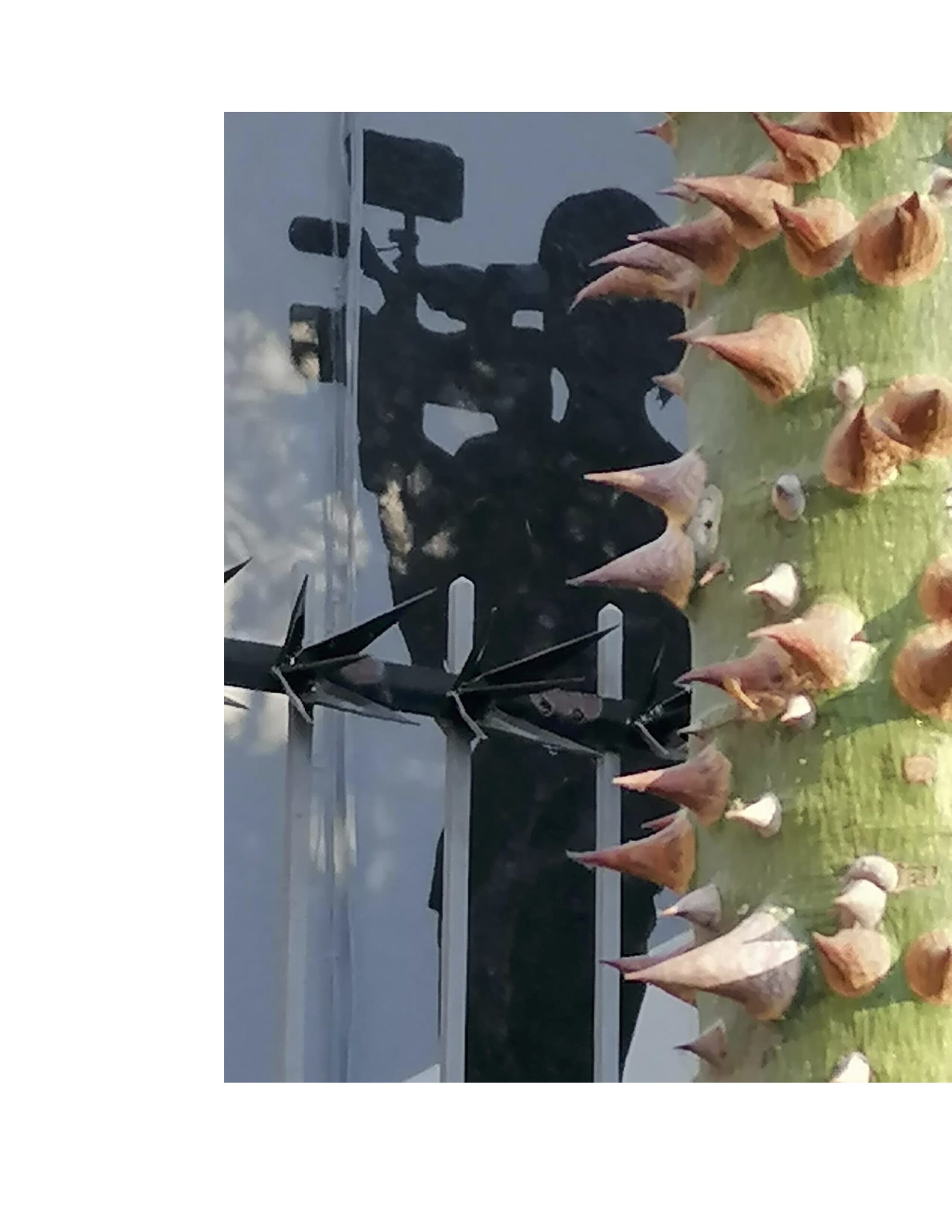
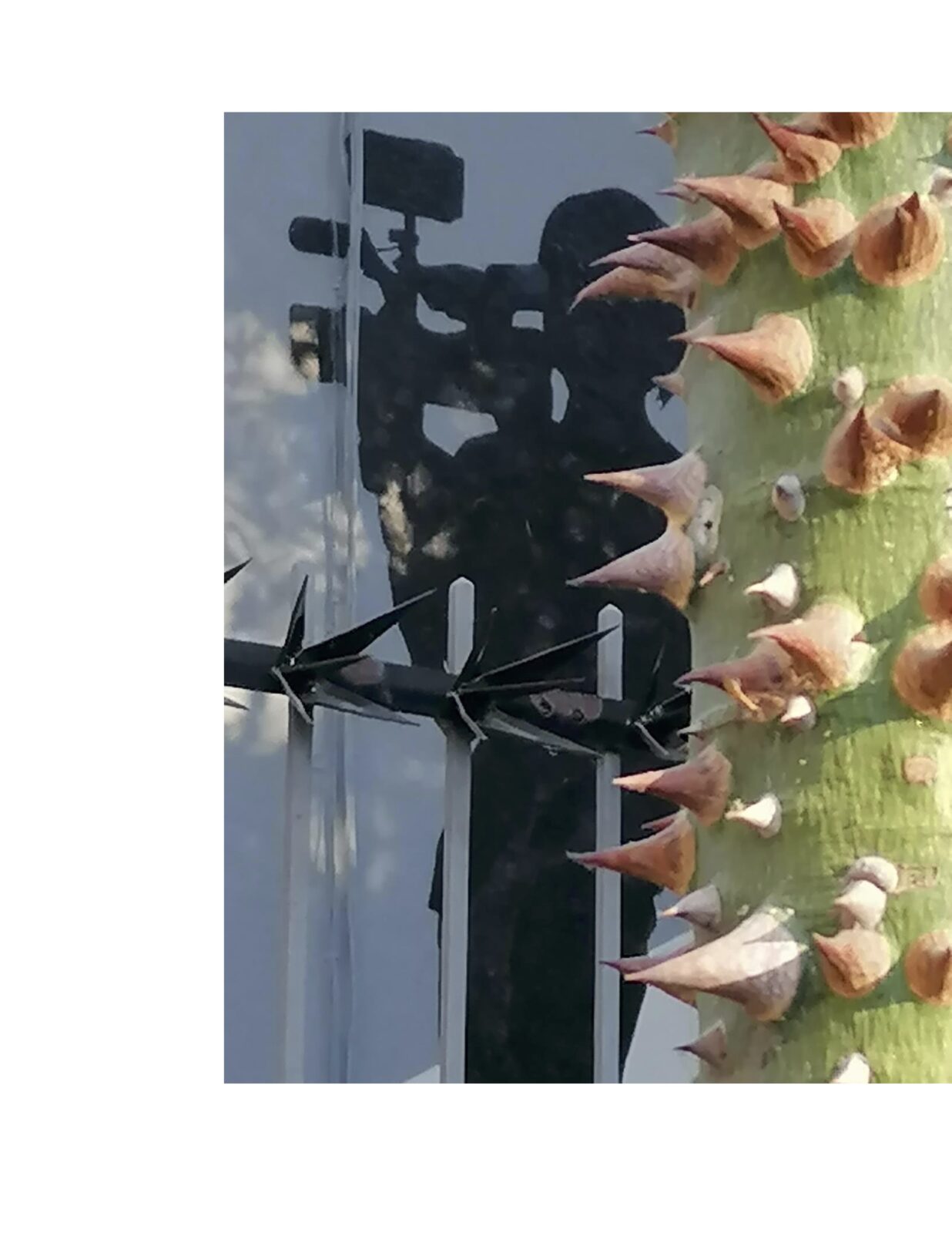
Through The Lens of Crisis


Articles

Mental Health: A Silent Epidemic in Latin America
Beatriz Botero

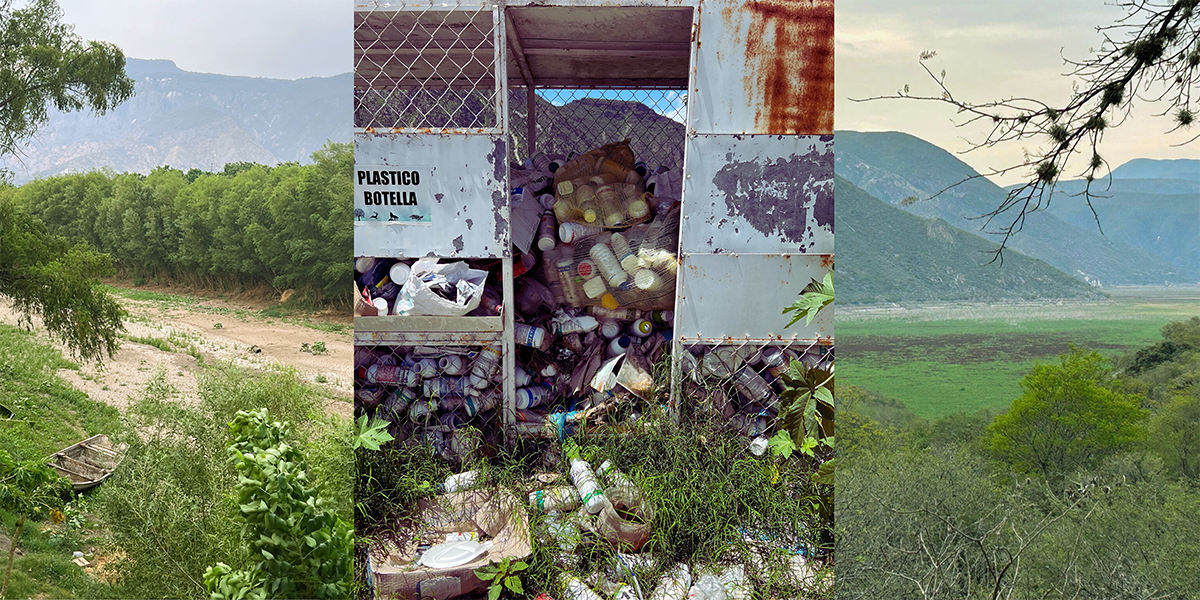
Selling Degrees: An analysis of the higher education system crisis in Peru during the last decades
Fidel Revilla


Regina José Galindo: lo abyecto, lo excesivo y necesario
Rocío González-Espresati Clement

Pachacuti: Repensado la Crisis Desde la Efimeridad Humana
Pedro de Gonzales Duran



Editorial Board

Juan Egea | Guest Editor
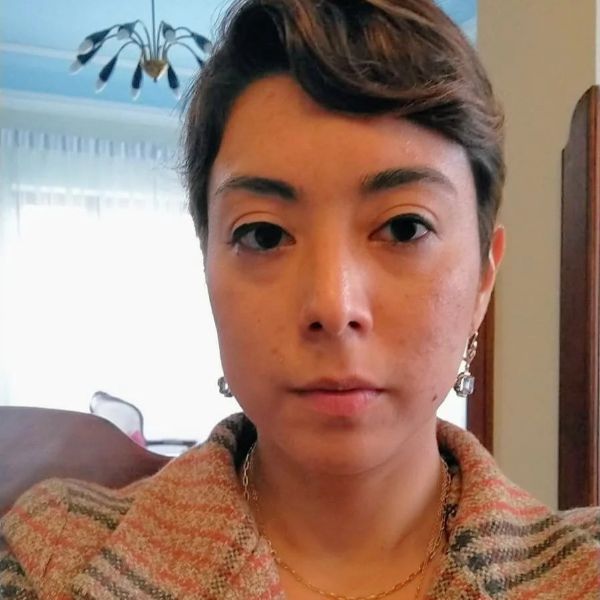
Andrea Guzman-Giura

Jamie de Moya-Cotter

Diego Alegría

Addison Nace

Anneli Marisa Aliaga

Logan Krishka

Fidel Revilla

Rocío González-Espresati